What are unique boutique hotels in major cities? This question opens the door to a world where individuality and character define the guest experience. Unlike standard chain hotels, boutique hotels offer eclectic architectural styles and personalized services that make every stay special. Each establishment boasts unique amenities, reflecting the local culture and enhancing the travel experience.
From the vibrant streets of New York City to the romantic avenues of Paris and the bustling neighborhoods of Tokyo, boutique hotels not only provide a place to stay but also serve as gateways to the essence of these cities. They blend intimate ambiance and thoughtful decor with the charm of their surroundings, promising a memorable escape from the ordinary.






Unique Features of Boutique Hotels: What Are Unique Boutique Hotels In Major Cities?

Boutique hotels stand out in the hospitality industry due to their distinctive characteristics that create a unique experience for guests. Unlike standard hotel chains, these smaller, independently owned establishments often reflect the local culture and aesthetics, providing an intimate atmosphere. This section explores the architectural styles, personalized services, and unique amenities that set boutique hotels apart.
If you’re looking to enjoy a lavish escape without breaking the bank, learning how to get discounts on luxury hotel stays in big cities is essential. By utilizing membership programs, timing your booking during off-peak seasons, and leveraging credit card rewards, you can indulge in upscale accommodations at a fraction of the cost.
Architectural Styles of Boutique Hotels
The architecture of boutique hotels varies significantly, often inspired by local history and culture. This variety not only enhances the visual appeal but also contributes to the overall guest experience. Here are some common styles found in boutique hotels:
- Art Deco: This style features bold geometric shapes and vibrant colors, often found in hotels situated in urban areas with a rich cultural heritage.
- Rustic Charm: Many boutique hotels adopt a rustic style, incorporating natural materials like wood and stone, providing a cozy, home-like atmosphere, especially in countryside settings.
- Modern Minimalism: Characterized by clean lines and open spaces, modern boutique hotels often highlight contemporary design, using minimalistic décor to create a serene environment.
- Industrial Chic: This style utilizes repurposed industrial spaces, exposing brick walls, metal accents, and large windows, which create an edgy yet stylish ambiance.
Personalized Services Offered by Boutique Hotels
The hallmark of boutique hotels is their focus on personalized service. Unlike chain hotels, where guests may feel like just another number, boutique hotels prioritize individualized attention and tailored experiences. Some of the services that exemplify this commitment to hospitality include:
- Custom Welcome Packages: Guests often receive tailored welcome gifts that reflect their preferences, such as local delicacies or personalized notes from the management.
- Concierge Services: Boutique hotels typically offer dedicated concierge services that can arrange exclusive experiences, from private tours to reservations at trendy local restaurants.
- Personalized Room Preferences: Guests can customize their room settings, such as temperature, lighting, and amenities, ensuring a comfortable stay that meets their specific needs.
- Local Insights: Staff members are usually well-informed about the area and can provide personalized recommendations for activities and events based on guest interests.
Unique Amenities in Boutique Hotels
Boutique hotels are known for their distinctive amenities that often reflect local culture or provide unique experiences. These offerings can enhance the overall guest experience in surprising ways. Common amenities include:
- In-House Restaurants: Many boutique hotels feature unique dining venues that emphasize local cuisine, often crafted by renowned chefs who focus on seasonal and organic ingredients.
- Art Installations: Hotels may showcase local artists’ work throughout the property, turning the hotel itself into a gallery and creating a culturally enriching environment.
- Wellness Programs: Unique wellness offerings such as yoga classes, spa treatments using local ingredients, and fitness facilities tailored to individual needs are often available.
- Rooftop Bars or Terraces: Many boutique hotels host trendy rooftop spaces that provide stunning city views, perfect for relaxation or socializing in an exclusive atmosphere.
Boutique Hotels in Major Cities
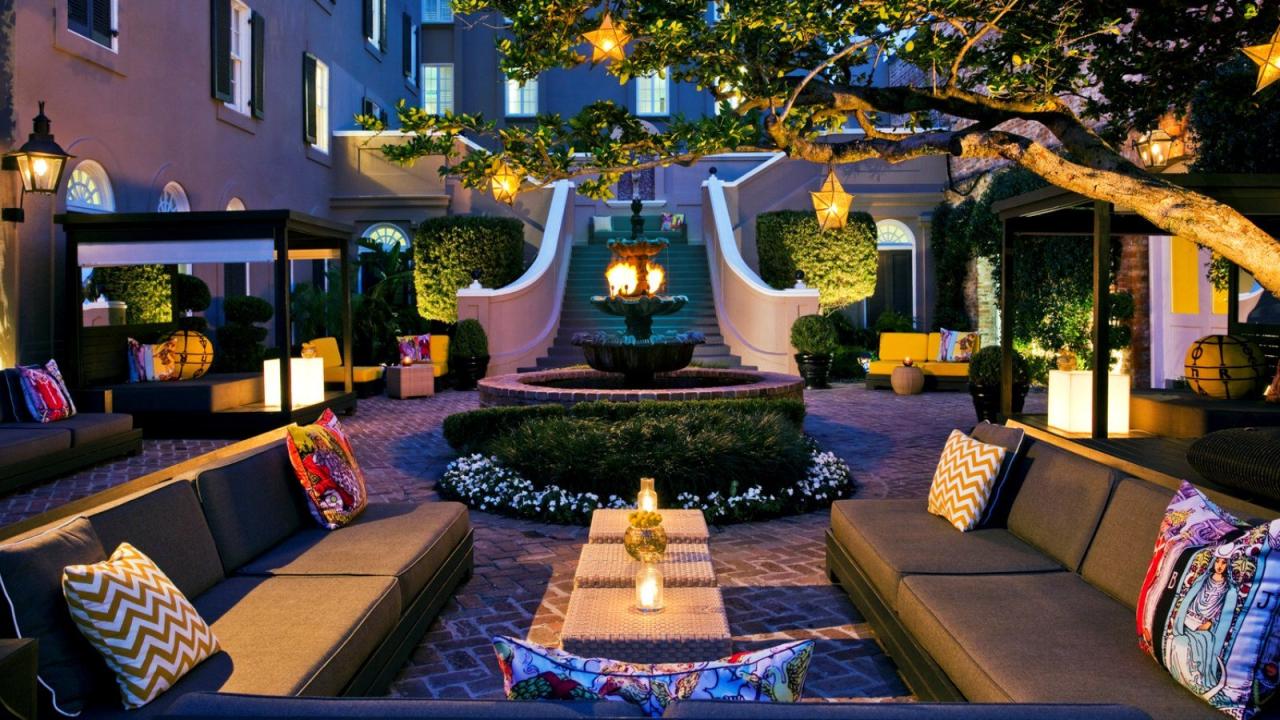
Boutique hotels offer a unique blend of comfort, style, and personalized service that sets them apart from traditional accommodations. In major cities, these hotels often reflect the local culture and provide guests with an authentic experience. From New York City’s vibrant atmosphere to Paris’s romantic charm and Tokyo’s cultural richness, boutique hotels serve as perfect retreats for travelers seeking something special.
When searching for a truly memorable getaway, understanding what to look for in boutique hotels for a unique experience can make all the difference. Focus on personalized service, distinctive decor, and local artistry that reflect the culture of the area, ensuring your stay is both authentic and unforgettable.
Standout Boutique Hotels in New York City, What are unique boutique hotels in major cities?
New York City boasts an array of boutique hotels, each with its own distinctive flair. These hotels not only provide comfortable lodging but also immerse guests in the city’s dynamic culture. Here are some notable examples:
- The Greenwich Hotel: Located in Tribeca, this hotel features uniquely designed rooms with elements sourced from around the world, providing a homey yet luxurious experience. The hotel also houses a tranquil spa and an indoor pool, making it a serene oasis in the bustling city.
- The NoMad Hotel: This stylish hotel is known for its stunning decor inspired by Parisian aesthetics. The NoMad is famous for its rooftop space, which offers breathtaking views of the city skyline and a vibrant atmosphere for dining and relaxation.
- The Bowery Hotel: The Bowery combines vintage charm with modern luxury. Guests can enjoy floor-to-ceiling windows and a cozy library bar, creating an inviting atmosphere perfect for unwinding after exploring the city.
Boutique Hotels in Paris
In Paris, boutique hotels provide a unique contrast to larger, more impersonal hotels. They often reflect the city’s artistic spirit and are tailored to create intimate settings for guests. Here are a few boutique hotels that exemplify this charm:
- A modern boutique hotel located in the heart of the Left Bank, Hôtel Le Six features an elegant design, a cozy bar, and a wellness area, ensuring guests have a comfortable stay while exploring nearby attractions.
- Hotel des Grands Boulevards: This hotel beautifully merges contemporary design with classic Parisian architecture, featuring a rooftop terrace where guests can enjoy the stunning views and vibrant atmosphere of the city.
- Hotel Fabric: Once a textile factory, Hotel Fabric has been transformed into a chic boutique hotel with industrial-inspired decor. Its location in the trendy Oberkampf neighborhood makes it ideal for guests wanting to experience local nightlife and culture.
Boutique Hotels in Tokyo
Tokyo’s boutique hotels are infused with the city’s rich culture and innovative design. They offer a glimpse into Japan’s unique blend of tradition and modernity. The following hotels showcase the charm and cultural aspects of boutique accommodations in Tokyo:
- Claska: This hotel, located in the Meguro area, features a blend of Japanese aesthetics and modern design. Each room is uniquely decorated, showcasing local artists’ work, providing guests with a genuine sense of Japanese culture.
- Trunk Hotel: Situated in the heart of Shibuya, Trunk Hotel emphasizes community and sustainability. The hotel features a stylish bar and restaurant that utilizes local ingredients, offering an authentic taste of Tokyo’s culinary scene.
- The Gate Hotel Asakusa Kaminarimon: With breathtaking views of Senso-ji Temple, this hotel combines traditional Japanese elements with modern luxury. Its rooftop terrace is a perfect spot for guests to take in the vibrant atmosphere of Asakusa.
Experience and Atmosphere
Boutique hotels stand out in the hospitality landscape due to their distinct ambiance and intimate atmosphere, which significantly enhance the guest experience. Unlike larger, conventional hotels, boutique hotels are designed with a unique character that reflects local culture and aesthetics, resulting in an inviting environment where guests feel a personal connection to their surroundings.The ambiance and decor of boutique hotels are defined by their attention to detail and personalized touches.
These hotels often feature:
- Artistic decor elements, such as local artwork and handcrafted furnishings, showcasing the history and culture of the region.
- Intimate settings, with smaller common areas that encourage social interaction among guests, fostering a sense of community.
- Unique themes that may range from vintage to modern chic, providing guests with an experience that feels both curated and authentic.
- Carefully selected lighting that creates a warm and inviting atmosphere, making spaces feel more homely.
The importance of the hotel’s location and its neighborhood character cannot be understated. Boutique hotels are often situated in vibrant, culturally rich areas that enhance the overall experience for guests. Staying in a prime location allows visitors to easily access local attractions, unique dining options, and hidden gems that larger hotels may not provide insights into. This proximity to local culture enriches the guest experience, offering opportunities to immerse oneself in the city’s lifestyle.Comparing guest experiences in boutique hotels with traditional hotels reveals significant differences.
Boutique hotels prioritize personalized service, often offering tailored recommendations for dining and activities based on guest preferences, which is less common in larger hotel chains focused on standardization.
“Boutique hotels are about the experience, not just the stay.”
In traditional hotels, the experience can often feel more transactional, with guests navigating impersonal lobbies and standardized services. Boutique hotels, in contrast, typically provide:
- A more personalized check-in process, often involving a friendly conversation rather than a quick transaction.
- Unique amenities, such as complimentary local snacks or drinks that reflect the region’s culinary scene.
- Events and experiences, like local tours or workshops, which help guests connect with the area and its culture.
These elements combine to create a rich and memorable experience, allowing guests to leave with stories and memories that go beyond the typical hotel stay. In the realm of hospitality, boutique hotels offer a refreshing alternative that caters to those seeking more than just a place to rest their heads.
Sustainable Practices in Boutique Hotels
Boutique hotels are increasingly at the forefront of sustainable tourism, implementing eco-friendly practices that not only reduce their carbon footprint but also enhance the guest experience. These establishments often have a unique understanding of their impact on the environment and actively seek to make sustainable choices in their operations.Many boutique hotels adopt a variety of eco-friendly initiatives, reflecting their commitment to sustainability.
From energy-efficient lighting to locally sourced food, these measures not only appeal to environmentally conscious travelers but also foster a deeper connection with the local community. Some common sustainable practices include the use of renewable energy sources, such as solar panels and wind turbines, as well as water conservation systems that minimize waste.
Eco-Friendly Initiatives in Boutique Hotels
The following initiatives are frequently adopted to promote sustainability within boutique hotels:
- Local and Organic Sourcing: Many boutique hotels prioritize sourcing ingredients from local farms and producers. This not only reduces transportation emissions but also supports local economies.
- Waste Reduction Programs: Hotels implement comprehensive recycling and composting programs to minimize waste. Some even participate in “zero waste” initiatives, working towards eliminating all waste sent to landfills.
- Water Conservation Measures: Low-flow faucets and showerheads, as well as rainwater harvesting systems, are commonly utilized to conserve water throughout the hotel.
- Energy Efficiency: Installation of energy-efficient appliances and smart technology helps reduce energy consumption. Hotels often utilize energy management systems to optimize heating and cooling based on occupancy.
- Eco-Friendly Amenities: Many boutique hotels offer organic toiletries and green cleaning products, ensuring that their environmental impact is minimized even in the small details of the guest experience.
Boutique hotels that prioritize sustainability can serve as prime examples of these initiatives in action. For instance, the 21c Museum Hotel in Louisville, Kentucky, is committed to preserving the environment by incorporating sustainable architecture and encouraging eco-friendly practices. Similarly, the The Nines in Portland, Oregon, boasts a rooftop garden that provides fresh produce for its restaurant, along with a strong focus on using local suppliers.
Contribution to Local Economies and Communities
Boutique hotels play a crucial role in contributing to local economies and communities. By focusing on local sourcing and partnerships, these hotels help stimulate economic growth. The local supply chain is strengthened as hotels collaborate with nearby artisans, farmers, and service providers.Additionally, boutique hotels often engage in community development initiatives such as:
- Job Creation: Boutique hotels provide employment opportunities to local residents, contributing to the economic stability of the area.
- Cultural Promotion: Many boutique hotels incorporate local art and culture into their design, helping to preserve and promote the unique heritage of the region.
- Community Investment: Some boutique hotels invest in local projects or charities, thereby fostering goodwill and stronger community ties.
Through these efforts, boutique hotels not only create memorable experiences for their guests but also contribute positively to the social, environmental, and economic fabric of the areas in which they operate. The intertwining of sustainable practices with local engagement positions boutique hotels as leaders in promoting responsible travel.