What hidden fees should I be aware of when booking hotels? As travelers embark on their journeys, the allure of a great hotel deal can quickly be overshadowed by the fine print lurking in the shadows. Hidden charges can transform a seemingly budget-friendly stay into an unexpectedly costly affair, making it crucial for savvy travelers to unravel the complexities of hotel pricing.
From resort fees that inflate your bill to cancellation charges that can derail your plans, understanding these hidden costs is essential. The landscape of hotel bookings is riddled with variable pricing models and diverse fee structures, varying dramatically between different chains and regions. This knowledge not only aids in budgeting but also empowers travelers to make informed decisions.






Hidden Charges in Hotel Bookings: What Hidden Fees Should I Be Aware Of When Booking Hotels?

Travelers often look for the best deals when booking hotels, but many are caught off guard by hidden charges that can significantly inflate the total cost of their stay. Understanding these fees is essential for budgeting effectively and ensuring that the price quoted during the booking process reflects the final amount due. This section highlights common hidden charges that travelers might encounter, as well as their implications.
Common Hidden Fees in Hotel Bookings, What hidden fees should I be aware of when booking hotels?
When booking a hotel, several hidden charges can unexpectedly increase your final bill. Here are some of the most common fees to be aware of:
- Resort Fees: Many hotels, especially in tourist hotspots, impose resort fees. These can range from $15 to $50 per night and cover amenities such as pool access, gym usage, and Wi-Fi. While these fees are often not included in the initial price quote, they can significantly add to the overall cost of your stay.
- Cancellation Fees: If you need to change your travel plans, cancellation fees can apply. These fees vary widely, from a nominal charge to the loss of a deposit or even the full cost of your stay, depending on the hotel’s policy. It’s crucial to read the cancellation terms carefully before booking.
- Parking Fees: Many hotels charge for parking, especially in urban areas. Daily parking rates can be substantial and may not be mentioned until you confirm your reservation. Always check if the hotel offers free parking or if there are alternatives nearby.
- Early Check-In or Late Check-Out Fees: If you wish to check in before the specified time or stay past the regular check-out, hotels may charge additional fees. These might be reasonable or quite steep, depending on the hotel’s policy and how busy they are.
- Service Charges: Some hotels add a service charge to the room rate, which is meant to cover staff gratuities. This may not be explicitly stated in the booking process, leading to unexpected charges upon checking out.
Understanding these fees can help travelers make informed decisions and accurately compare hotel prices.
Implications of Resort Fees
Resort fees have become a common practice among hotels, and their implications are significant. The added cost can lead to frustration among travelers who feel misled by the initial room rate.
“Resort fees can turn what seems like a budget-friendly option into a surprisingly expensive choice, as they are often not reflected in the advertised price.”
For example, a hotel may advertise a room for $100 per night, but with a $30 resort fee, the total cost becomes $130 without any added benefits that justify the expense. This practice makes it essential for travelers to inquire about all fees upfront to avoid surprises.
Exploring the charm of boutique hotels can truly enhance your travel experience. In major cities, you can find an array of unique boutique hotels that offer personalized service and distinctive decor. If you’re curious about what unique boutique hotels you can find in major cities, check out this guide: What unique boutique hotels can I find in major cities?
These accommodations often reflect the local culture, making your stay even more memorable.
Potential Effects of Cancellation Fees
Cancellation fees can have a substantial impact on travel plans, particularly for those with fluctuating schedules. Many hotels implement strict cancellation policies, making it imperative to understand them before confirming a reservation.
“Understanding cancellation policies can prevent financial losses and allow travelers to adapt their plans without significant penalties.”
For instance, a hotel may allow free cancellations up to 48 hours before the stay, while others may require 7 days’ notice. Checking the fine print can save travelers from losing their deposits or incurring additional charges. Awareness of cancellation terms helps in planning and mitigating potential financial risks associated with changes in travel itineraries.
When it comes to selecting a hotel, many travelers appreciate the convenience of a complimentary breakfast. To ensure you choose the right place, consider factors like guest reviews and hotel amenities. If you want to make sure your next booking includes the morning meal, learn more about how to select a hotel that offers complimentary breakfast? This can significantly enhance your stay, saving both time and money during your travels.
Understanding Different Fee Structures
When booking a hotel, it’s crucial to navigate the various fee structures that can significantly impact the total cost of your stay. Different hotel chains and booking platforms employ distinct pricing models, which can lead to hidden fees if not carefully examined. This section will Artikel the most common structures, helping you make an informed decision to avoid unexpected charges.
Comparison of Variable Pricing Models
Hotel chains often use variable pricing models that can result in different fees depending on the property, location, and time of booking. Here’s a breakdown of the most common pricing models and their associated fees:
- Dynamic Pricing: Many hotels use algorithms to adjust rates based on demand, competition, and occupancy levels. This can lead to fluctuating prices, especially during peak seasons or events.
- Flat Rate Pricing: Some chains offer a consistent rate for the same room type regardless of the demand. However, additional fees such as resort fees or service charges may still apply.
- Membership Pricing: Loyalty programs often provide discounted rates for members. Be aware that the initial price may appear lower, but hidden fees might offset these savings.
Understanding these models can help you identify which hotels offer the most transparent pricing.
Differences Between Prepaid and Pay-at-the-Hotel Options
When it comes to booking hotels, you typically have the choice between prepaid options and pay-at-the-hotel arrangements. Each option comes with its advantages and potential fees. Here’s a detailed comparison:
- Prepaid Booking: Generally offers lower rates, but the payment is made upfront. Be aware that these bookings are often non-refundable, and any changes may incur additional fees.
- Pay-at-the-Hotel Booking: Provides flexibility as payment is made upon arrival. However, some hotels impose a hold on your credit card for incidentals, which can temporarily reduce your available credit.
Choosing the right option depends on your travel plans and the importance of flexibility versus savings.
Breakdown of Taxes and Service Fees
Taxes and service fees can significantly increase the overall cost of your hotel booking. Understanding the common fees that apply can help you budget more accurately. Below are typical charges to consider:
“Always factor in additional costs, as they can comprise up to 20% of your total hotel bill.”
- Occupancy Taxes: These are local taxes that can vary widely from city to city. For instance, New York City has a hotel occupancy tax of 14.75%, plus a $3.50 per night fee.
- Resort Fees: Many hotels, especially in tourist areas, levy resort fees to cover amenities like Wi-Fi, pools, and fitness centers. These can range from $10 to $50 per night, even at budget hotels.
- Service Charges: Sometimes included in the total bill, these charges cover staff gratuities and other operational costs. Always check if this is included in your quoted price.
By being aware of these potential fees, you can better anticipate the total cost of your hotel stay and avoid unpleasant surprises at checkout.
Strategies to Avoid Unexpected Fees
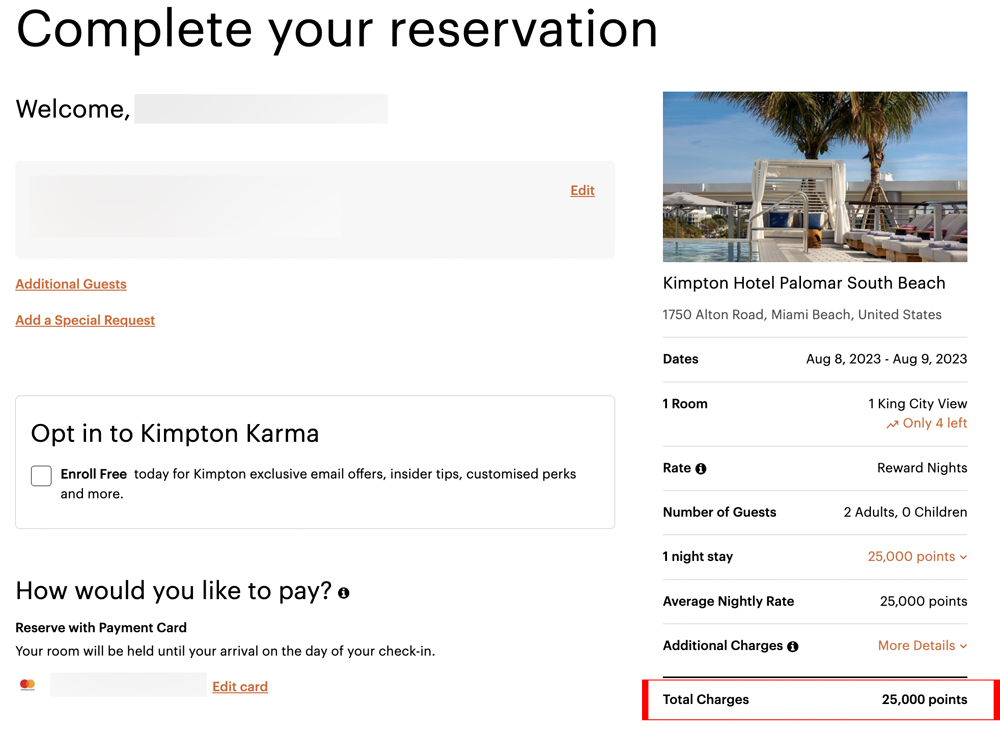
When planning your next hotel stay, understanding the landscape of potential hidden fees can make a significant difference in your travel budget. By employing certain strategies, travelers can minimize or completely avoid these unexpected costs, allowing for a smoother and more enjoyable experience. Awareness and preparedness are key components in ensuring you know exactly what you’re paying for when booking accommodations.
Here are some effective strategies to help you navigate the complexities of hotel fees.
Researching Hotels Thoroughly
Effective research is crucial for uncovering hidden hotel fees. Taking the time to investigate various hotels can lead to significant savings. Consider the following best practices:
- Utilize Multiple Sources: Don’t rely solely on the hotel’s website. Use popular travel sites and apps that aggregate hotel information, comparing prices and terms across platforms to spot discrepancies.
- Direct Contact: After narrowing down your options, call the hotel directly. This can yield insights that may not be available online, such as potential discounts or waived fees.
- Inquire About Fees: Before booking, ask direct questions regarding fees for parking, Wi-Fi, resort amenities, and early check-in or late check-out options. This ensures you have a full understanding of what you’ll be charged.
Travelers’ Checklist for Hotel Terms and Conditions
Having a systematic approach to reviewing hotel terms and conditions can help prevent misunderstandings and unexpected charges. Here’s a checklist to guide travelers:
- Check cancellation policies: Understand the penalties for cancellations or changes to your reservation.
- Review payment terms: Be aware of whether charges will be processed immediately or at checkout.
- Investigate additional fees: Look for mentions of resort fees, cleaning fees, or charges for extra guests.
- Confirm included amenities: Verify what services are included in your rate, such as breakfast, Wi-Fi, and gym access.
- Read the fine print: Pay close attention to any disclaimers or terms that may indicate additional costs.
Importance of Reading Reviews
Reading reviews and feedback from previous guests plays a significant role in identifying hidden charges. Travelers should pay special attention to the experiences shared by others regarding unexpected fees. Consider the following points:
- Patterns in Feedback: Look for recurring mentions of hidden fees in reviews, as these can indicate common practices by the hotel.
- Recent Experiences: Focus on recent reviews to ensure the information is relevant to your upcoming stay, as policies can change.
- Response from Management: Evaluate how hotel management responds to complaints regarding fees. A proactive approach may indicate better customer service.
“Knowledge is power when it comes to hotel bookings; being informed can save you from unexpected financial surprises.”
Regional Variations in Hotel Fees
Hotel fees can greatly differ from one region to another, influenced by a variety of factors such as local regulations, the economic environment, and the type of setting—urban or rural. Understanding these regional variations is essential for travelers to avoid unexpected costs that can significantly affect their overall travel budget.In urban settings, travelers often encounter a range of hidden charges that can include resort fees, additional occupancy fees, and parking fees.
In contrast, rural hotels may present fewer hidden fees, but additional costs, such as for amenities or local taxes, can still apply. Furthermore, certain countries impose unique fees based on local regulations, which may not be apparent until the final bill arrives.
Urban vs. Rural Fee Structures
Urban areas typically have more complex fee structures due to higher demand and operating costs. Common hidden fees in cities include:
- Resort Fees: These are often added to the room rate for amenities that some guests may not even use, such as pool access or gym facilities.
- Parking Charges: Many hotels in metropolitan areas charge hefty fees for parking, especially if they are located in high-demand areas where space is limited.
- Wi-Fi Access Fees: While many hotels offer free Wi-Fi, some may charge for high-speed access or in-room connectivity.
In rural settings, the fee structures tend to be more straightforward, but travelers should still be aware of potential charges:
- Local Taxes: Many rural hotels may impose local taxes that vary by state or region, which can add to the overall cost.
- Amenity Fees: Some rural hotels might charge for additional services, such as breakfast or guided tours, which are not included in the accommodation price.
- Pet Fees: If traveling with pets, rural hotels may charge extra fees for accommodating animals, which can vary widely.
Understanding the regional variations in hotel fees can save travelers from unexpected expenses and enhance their overall travel experience.
Country-Specific Fees
Different countries impose unique fees that can drastically affect hotel pricing. For example:
- Tourist Tax: In many European cities, a tourist tax is levied per person per night, which can add a significant amount to the total bill.
- Service Charges: In several Asian countries, hotels may include a service charge that can range from 10% to 15% of the total bill, often without clear disclosure.
- Environmental Fees: Certain destinations, especially in eco-tourism hotspots, may charge an environmental fee aimed at preserving local resources.
Understanding these regional and country-specific variations in hotel fees is crucial for travelers. By being aware of potential hidden charges, travelers can make informed decisions and better manage their travel budgets.