How to effectively compare hotel prices across different platforms? A comprehensive guide

How to effectively compare hotel prices across different platforms? sets the stage for travelers seeking the best deals in a landscape where prices fluctuate and options abound. Navigating through the myriad hotel booking sites can be daunting, but understanding the nuances of price comparison can save you significant money and enhance your travel experience. The importance of comparing prices across platforms cannot be overstated, especially in an industry where dynamic pricing and hidden fees can lead to unexpected costs.
By delving into the various factors that influence hotel prices, exploring key platforms, and employing effective strategies, this guide will empower you to make informed decisions. Whether you are a seasoned traveler or planning your first trip, equipping yourself with the right knowledge will undoubtedly lead to better choices and a more enjoyable stay.





Understanding Hotel Price Comparison

Comparing hotel prices across different platforms is essential for savvy travelers. With numerous online travel agencies and hotel booking sites available, understanding the nuances of price variation can significantly impact your travel budget. While it may seem straightforward, various factors contribute to the fluctuation in hotel prices, making this comparison more complex than it appears.Numerous elements influence hotel pricing, including location, time of year, and market demand.
Hotels adjust their rates based on these factors, and understanding them can help consumers make informed decisions. Additionally, engaging in dynamic pricing practices allows hotels to optimize their revenue.
Common Factors Affecting Hotel Prices
Several key factors contribute to the variation in hotel prices across different platforms, and recognizing them can enhance your price comparison strategy. These factors include:
- Seasonality: Prices often rise during peak travel seasons, holidays, and local events, which can lead to significant price discrepancies.
- Location: Proximity to tourist attractions, business centers, and transport hubs can increase a hotel’s rates compared to others in less desirable areas.
- Hotel Policies: Different hotels may implement varying policies regarding refunds, cancellations, and inclusions like breakfast or parking, which can affect perceived value.
- Room Type and Amenities: Prices can vary significantly based on the type of room, its features, and the amenities offered, such as pools, gyms, and free Wi-Fi.
- Booking Timing: Last-minute bookings might yield lower prices for unsold rooms, while early bookings can secure better rates, especially during peak seasons.
Dynamic Pricing in the Hotel Industry
Dynamic pricing is a prevalent strategy in the hotel industry, where prices fluctuate based on real-time demand and supply conditions. This approach allows hotels to maximize revenue by adjusting rates based on various factors, including competitor pricing, occupancy rates, and customer behavior. For instance, during a major local event, hotels may increase their rates significantly due to heightened demand. Similarly, on weekdays when occupancy is typically lower, hotels might offer promotional rates to attract guests, thus creating variability.
For travelers looking to maximize their stays, exploring the best hotel loyalty programs to join can really pay off. These programs not only offer exclusive member benefits but also accumulate points that can lead to free nights or room upgrades, enhancing your overall experience.
The essence of dynamic pricing lies in its responsiveness; it allows hotels to adapt to the ever-changing market landscape.
Understanding dynamic pricing can empower travelers to identify the best time to book a stay. By tracking historical price trends and utilizing price alert tools available on many booking platforms, consumers can position themselves to secure the best deals by monitoring fluctuations over time. Recognizing these patterns can lead to significant savings and a more satisfying travel experience.
Identifying Key Platforms for Comparison
When exploring hotel prices, knowing the right platforms is essential for making informed decisions. Each booking site offers unique features tailored to different needs, which can significantly impact your travel experience. Understanding these platforms will help you identify where to find the best deals and which site aligns best with your preferences.In the realm of hotel booking, several platforms dominate the market.
Each platform has its own unique features, advantages, and disadvantages that can influence your decision-making process. Below is an overview of the most popular hotel booking platforms and their standout characteristics.
Popular Hotel Booking Platforms
Familiarity with various hotel booking platforms allows travelers to maximize their chances of finding the best deals. Here’s a look at some of the most widely used sites:
- Booking.com
-Known for its extensive inventory, Booking.com offers a user-friendly interface and flexible cancellation policies. - Expedia
-This platform bundles hotel stays with flights and car rentals, often providing greater savings for comprehensive travel plans. - Hotels.com
-Offers a unique rewards program where users can earn free nights after booking a certain number of stays. - Airbnb
-Ideal for those seeking unique accommodations, Airbnb focuses on private rentals, adding a personal touch to lodging options. - Trivago
-Works as a meta-search engine, aggregating prices from various platforms to help users quickly compare rates. - Kayak
-Beyond hotel bookings, Kayak provides price comparison for flights and car rentals, making it a versatile travel planning tool.
While each of these platforms provides unique features, they also come with their own sets of advantages and disadvantages that can affect user experience.
Advantages and Disadvantages of Each Booking Platform
Understanding the pros and cons of these platforms can help you determine which one suits your needs best.
| Platform | Advantages | Disadvantages |
|---|---|---|
| Booking.com | User-friendly interface; no booking fees; vast selection. | Sometimes higher prices than other platforms; additional fees can apply. |
| Expedia | Bundled deals; rewards program; wide range of options. | Customer service can be hit or miss; hidden fees may exist. |
| Hotels.com | Reward nights; frequent promotions; user-friendly. | Limited selection compared to larger platforms; blackout dates for reward nights. |
| Airbnb | Unique properties; local experiences; often cheaper than hotels. | Inconsistent quality; service fees can increase final price. |
| Trivago | Price comparison across various platforms; easy navigation. | Redirects to other sites for booking; potential inconsistency in pricing. |
| Kayak | Comprehensive travel planning; price alerts; flexible search options. | Can lead to overcomplicated comparisons; third-party booking issues. |
The information provided above highlights the complexities and variances among hotel booking platforms. Each user should consider their own preferences, such as whether they prioritize price, convenience, or unique accommodation options when choosing a platform for hotel price comparisons.
Finding accommodations that align with your values is easier than ever. You can quickly discover eco-friendly hotels near your location by utilizing various travel apps and websites that prioritize sustainability. This way, you can enjoy your travels while also supporting environmentally responsible practices.
User Reviews Comparison for Major Hotel Booking Sites
User feedback often provides valuable insight into the efficacy and reliability of hotel booking platforms. Here’s a summary of user reviews across major hotel booking sites.
| Platform | Average Rating | Common Feedback |
|---|---|---|
| Booking.com | 4.5/5 | User-friendly; excellent selection; some report hidden fees. |
| Expedia | 4.2/5 | Great for bundled deals; varied customer service experiences. |
| Hotels.com | 4.3/5 | Good reward program; some complaints about limited options. |
| Airbnb | 4.6/5 | Unique stays; inconsistent quality; service fees noted. |
| Trivago | 4.0/5 | Convenient comparisons; variable accuracy in pricing. |
| Kayak | 4.1/5 | Comprehensive tool; some find it overwhelming. |
Reviewing user experiences can guide potential travelers in selecting the best platform for their specific hotel comparison needs. Understanding both the strengths and weaknesses of each platform, combined with real-world feedback, ensures travelers make informed choices that enhance their overall booking experience.
Techniques for Effective Price Comparison: How To Effectively Compare Hotel Prices Across Different Platforms?
When it comes to securing the best hotel rates, effective price comparison is essential. Travelers can save significant amounts of money by employing the right techniques. This section will delve into structured methods for effectively comparing hotel prices across various platforms, ensuring that you make informed decisions for your next getaway.
Step-by-step Guide for Comparing Hotel Prices Manually
Comparing hotel prices manually can be a meticulous process, but following a systematic approach can streamline your efforts. Begin by listing the hotels that meet your criteria, such as location, amenities, and ratings, then follow these steps:
- Research Availability: Check the preferred travel dates on multiple hotel booking sites to understand availability and price fluctuations.
- Record Prices: Utilize a spreadsheet or a note-taking app to log the prices of each hotel from different platforms, including the hotel’s official site. Note the room type and cancellation policies as they can vary.
- Check for Additional Fees: Be aware of hidden fees that may not be included in the initial price display, such as resort fees, parking, or taxes. This can significantly affect the total cost.
- Verify Promotions: Look for any ongoing promotions, discounts, or package deals that could reduce the overall price. These may be exclusive to certain sites or require signing up for newsletters.
- Consider Timing: Prices can fluctuate based on demand. If your travel dates are flexible, use a price comparison tool to identify the cheapest days to stay.
Using Price Alert Tools Effectively
Price alert tools can be invaluable for travelers looking to secure the best rates. These tools notify you when prices drop for specific hotels, which can save time and effort. Implement the following tips to maximize their effectiveness:
“Setting alerts increases your chances of booking at the lowest rate before availability changes.”
- Choose the Right Tool: Select a reliable price alert service that includes a wide range of hotels and platforms, such as Google Hotels or specialized apps like Hopper.
- Set Specific Criteria: Customize alerts based on your budget, preferred amenities, and desired locations to receive the most relevant notifications.
- Monitor History: Analyze past price trends for your selected hotels. This can provide insights into whether prices are likely to rise or fall, aiding in better decision-making.
- Act Quickly: Once you receive a price alert, act swiftly. Popular hotels can book up fast, and prices can change within hours.
Leveraging Loyalty Programs During Price Comparisons
Loyalty programs can offer significant advantages when comparing hotel prices. Members often unlock exclusive rates, perks, and rewards that enhance the value of their bookings. Here’s how to leverage these programs effectively:
“Maximizing loyalty rewards can result in substantial savings and added benefits during your stay.”
- Enroll in Loyalty Programs: Sign up for loyalty programs offered by the hotels of interest to gain access to member-only rates and promotions.
- Compare Loyalty Rates: Always check the loyalty program rates alongside regular prices on comparison sites. Often, the member rate could be lower or offer additional benefits.
- Utilize Points: If you have accrued points, consider using them for free nights or discounts. This can dramatically reduce your overall expenditure.
- Check for Partnerships: Some loyalty programs have partnerships with airlines or car rental services. Use these to earn additional rewards, enhancing your travel experience.
Analyzing Additional Costs Beyond Room Rates
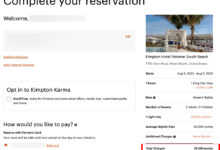
When comparing hotel prices across various platforms, it’s crucial to look beyond the initial room rate. Hidden fees and additional costs can significantly impact the total price of your stay. Understanding these extra charges will not only help you avoid surprises but also allow you to make more informed decisions about where to book your accommodation.Hidden fees can often inflate the overall cost of hotel stays, making it essential for travelers to be aware of them.
Common additional charges include resort fees, parking fees, and charges for amenities that may seem complimentary at first glance. Moreover, some platforms may present a lower initial price but fail to disclose all the extra costs associated with your booking.
Common Hidden Fees in Hotel Bookings, How to effectively compare hotel prices across different platforms?
Several hidden fees can catch travelers off guard, influencing the final amount paid. Understanding these fees can prevent budget overruns and enhance the overall experience. Here are some of the most common hidden fees found in hotel bookings:
- Resort Fees: Often charged daily, these fees cover amenities like pool access, gym usage, or Wi-Fi, which some guests might assume are included in the room rate.
- Parking Fees: Hotels, especially in urban areas, may charge significant fees for parking, which can add up quickly during a longer stay.
- Early Check-in or Late Check-out Fees: If you need to check in early or stay later than the standard times, many hotels impose additional charges.
- Wi-Fi Charges: While some hotels offer free Wi-Fi, others may charge a fee for access, especially in premium rooms.
- Minibar and Snack Charges: Items in the minibar can be remarkably overpriced, and consuming them can lead to unexpected charges on your final bill.
Understanding the nuances of these fees can help in accurately comparing prices. For instance, a hotel that advertises a low $100 room rate might add a $30 resort fee, making the total $130, while another hotel might charge $120 without additional fees, ultimately making the second option more affordable.
Comparing Included Amenities Across Platforms
When examining hotel prices, it’s also important to consider the amenities that are included with your stay. Different booking platforms may offer varying packages that come with distinct sets of amenities, which can add significant value to your stay. Amenities can include everything from complimentary breakfast to access to fitness centers or pools. Here’s a breakdown of typical amenities you might find offered by hotels:
- Complimentary Breakfast: Some platforms may highlight hotels that offer free breakfast, which can save both time and money during your trip.
- Free Wi-Fi: Being able to stay connected without an added fee is increasingly important for many travelers.
- Airport Shuttle Services: Some hotels provide free shuttle services to and from the airport, which can reduce transportation costs.
- Fitness and Pool Access: Access to fitness facilities and pools may be included in the room price, while others may charge fees for usage.
It’s crucial to evaluate the total value of these amenities when comparing costs. For example, if a hotel charges $150 per night but includes breakfast and Wi-Fi, while another hotel charges $130 but does not include any amenities, the first option may actually be more cost-effective when calculated against your needs.
Variations in Total Costs Between Platforms
Total costs can differ dramatically based on which booking platform you choose. Some platforms may apply discounts that reduce the room rate but increase the ancillary charges, while others present a more straightforward pricing model. Here’s how these variations can manifest:
- Platform A: Advertises a low rate of $90, with an added $20 resort fee and $15 for parking, leading to a total of $125.
- Platform B: Lists a rate of $110, which includes free parking and Wi-Fi, resulting in a total of $110.
- Platform C: Offers a room for $100 with a complimentary breakfast included, totaling $100.
In this scenario, while Platform A appeared cheaper initially, the hidden costs make Platform C the most affordable option when analyzing total expenses. As these examples illustrate, different platforms can lead to significant discrepancies in the final price, underscoring the importance of thorough comparison when selecting accommodations.