How to interpret hotel reviews for genuine guest experiences sets the stage for a deeper understanding of how we navigate the wealth of information available in online reviews. In a digital age where opinions can sway decisions, discerning authentic guest experiences from exaggerated tales becomes crucial. By diving into the heart of guest feedback, we can unveil the nuances of satisfaction and dissatisfaction, equipping ourselves with the insights needed to make informed choices before booking a stay.
The importance of authentic guest experiences cannot be overstated; they serve as the backbone of reliable reviews. Common themes often emerge from both glowing endorsements and critical evaluations, revealing the true essence of what each hotel offers. By analyzing the language and sentiments within these reviews, travelers can better understand the genuine experiences behind the ratings, ensuring a stay that meets their expectations.






Understanding Guest Experiences through Reviews: How To Interpret Hotel Reviews For Genuine Guest Experiences
The significance of authentic guest experiences in hotel reviews cannot be overstated. Reviews serve as crucial touchpoints for potential guests, offering insights into what they can expect during their stay. Analyzing these reviews helps both hotel operators and travelers understand the nuances of service and accommodation quality. Authentic experiences shared by previous guests provide a more reliable perspective than promotional content or marketing materials.When delving into hotel reviews, it is essential to identify common themes that arise in both positive and negative feedback.
These themes often highlight the strengths and weaknesses of a property, enabling future guests to make informed decisions. Understanding these recurring patterns can significantly enhance the review analysis process.
Common Themes in Reviews
Recognizing the prevailing themes in hotel reviews is imperative for a comprehensive evaluation. Guests frequently express their experiences based on several key factors:
- Service Quality: Positive reviews often commend staff friendliness and attentiveness, while negative reviews frequently cite poor service or unhelpfulness.
- Cleanliness: A clean environment is crucial; many reviews highlight cleanliness as a major factor influencing guest satisfaction.
- Amenities: Guests appreciate well-maintained facilities, with positive feedback centered on available amenities, such as pools and gyms, and negative remarks focused on lack thereof.
- Location: Proximity to attractions can enhance guest experiences, with many reviews praising convenient locations while others lament distance from key sites.
- Value for Money: Reviews frequently cover whether guests felt their stay was worth the price, influencing perceptions of overall satisfaction.
The language used in reviews plays a crucial role in determining genuine sentiments. By analyzing the tone and choice of words, one can distinguish between authentic experiences and exaggerated claims.
Language Analysis in Reviews
The nuances of language in hotel reviews reveal the authenticity of guest sentiments. A closer examination of word choice can illuminate true feelings regarding an experience.
- Positive Language: Words like “amazing,” “wonderful,” and “exceptional” often appear in reviews where guests have had memorable experiences. These terms convey enthusiasm and satisfaction.
- Negative Language: Conversely, phrases such as “disappointed,” “frustrating,” or “not worth it” indicate a lack of satisfaction. The frequency of negative terms can signal consistent issues.
- Descriptive Details: Reviews rich in details about specific experiences, such as interactions with staff or descriptions of the room, tend to suggest a more genuine account of the guest’s stay.
- Emotional Tone: Reviews that evoke strong emotional responses often indicate more authentic experiences. Expressions of joy or frustration can reveal the level of impact an experience had on the guest.
Understanding these aspects of guest reviews empowers travelers to discern genuine experiences from misleading testimonials, ultimately aiding in their decision-making process when choosing accommodations.
Finding a hotel that excels in customer service can greatly enhance your travel experience. To ensure you choose wisely, you can explore strategies outlined in How to locate hotels with outstanding customer service reviews. This resource offers insights into utilizing online reviews and ratings that highlight hotels known for their exceptional service.
Analyzing Guest Feedback
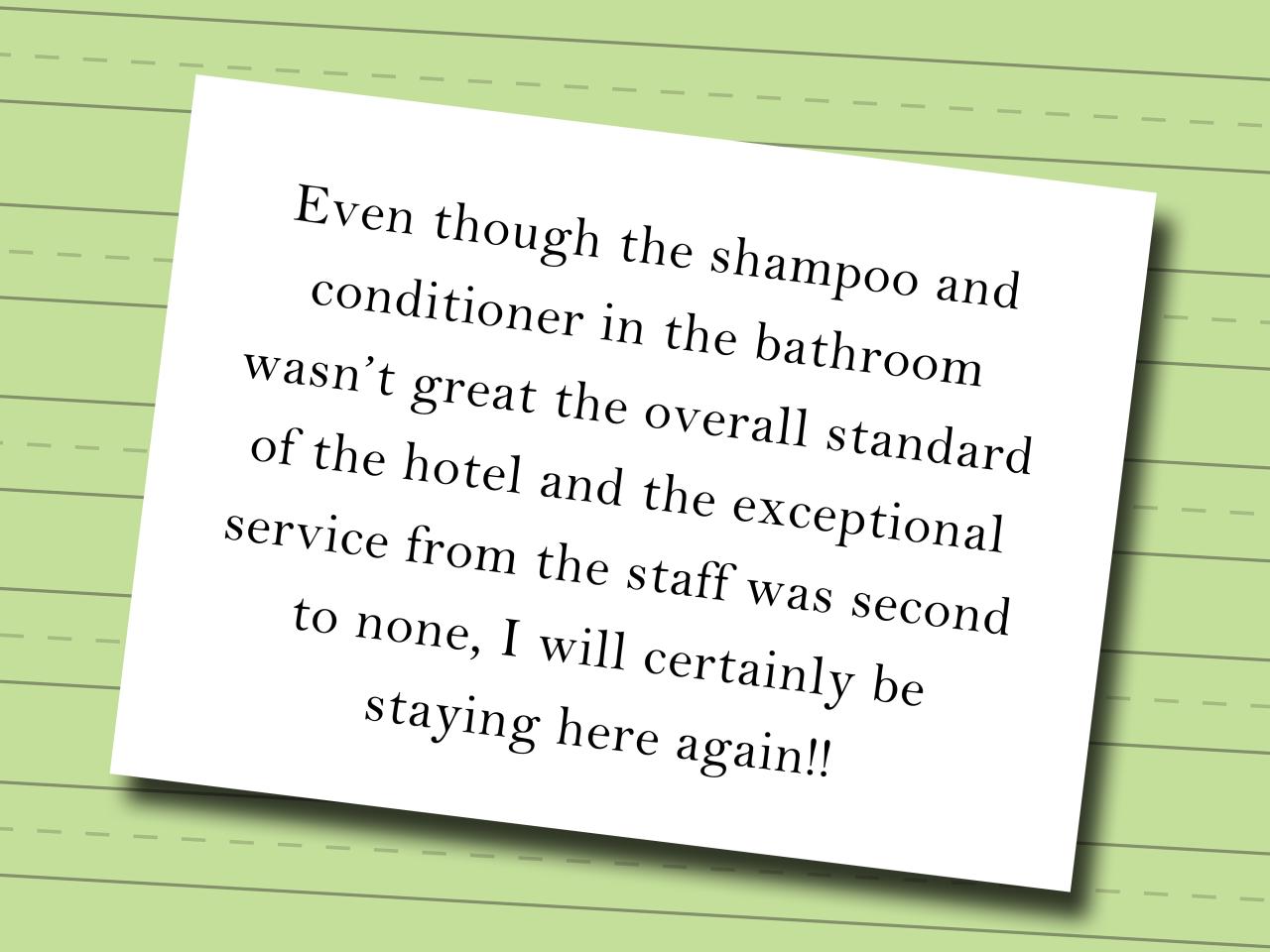
Understanding guest feedback is pivotal in interpreting hotel reviews effectively. By categorizing feedback into constructive and non-constructive segments, hotels can identify actionable insights as well as opinions that may stem from personal biases or specific experiences. This analysis not only enhances guest satisfaction but also drives improvements in service delivery, cleanliness, and overall amenities.
Categorizing Reviews into Constructive and Non-Constructive Feedback, How to interpret hotel reviews for genuine guest experiences
To effectively analyze the guest feedback, it is essential to categorize reviews based on their constructiveness. Constructive feedback provides specific suggestions for improvement, while non-constructive feedback often contains vague complaints or overly emotional reactions.
- Constructive Feedback: This type of feedback should be specific, detailed, and actionable. Examples include comments such as, “The room was too cold; a thermostat adjustment would enhance comfort.” Such reviews help the hotel identify specific areas for improvement.
- Non-Constructive Feedback: This feedback tends to lack details and often includes generalizations or excessive negativity, like “I did not enjoy my stay.” While these comments may reflect a guest’s disappointment, they do not provide a clear path to improvement.
Evaluating Individual Review Components
When assessing reviews, it is beneficial to break down individual components such as service, cleanliness, and amenities. This structured approach allows for a more nuanced understanding of guest experiences.
If you’re traveling on short notice, securing a great hotel rate can be a challenge. Fortunately, there are proven techniques to find the best deals, as discussed in How can I secure the best rates for last minute hotel bookings. This guide provides tips on leveraging booking apps and last-minute deals to ensure you maximize your budget while enjoying a comfortable stay.
Each component can be examined through specific criteria:
- Service: Analyze comments regarding staff interaction, responsiveness, and professionalism. Positive mentions of staff can be valuable, while repeated criticisms can highlight areas in need of training.
- Cleanliness: Look for mentions of room hygiene, public area maintenance, and overall cleanliness standards. A consistent pattern of complaints, such as “The bathroom was not clean,” signals a serious issue that needs immediate attention.
- Amenities: Evaluate feedback regarding the availability and quality of amenities, such as pools, gyms, and breakfast options. Constructive feedback might include suggestions like, “The gym equipment is outdated; more modern machines would be appreciated.”
Gathering and Organizing Data from Multiple Reviews
To achieve a comprehensive overview of guest experiences, it is crucial to gather data from multiple reviews systematically. This process can be approached through the following methods:
“Compiling data effectively helps identify trends and patterns that single reviews might not reveal.”
Consider employing these strategies:
- Data Aggregation: Use tools or software to collect reviews from multiple platforms. This ensures a broad understanding of the guest sentiment across various demographics and locations.
- Thematic Analysis: Group reviews into themes based on recurrent topics such as service quality, room comfort, or food options. This analysis aids in prioritizing areas for improvement based on frequency and guest impact.
- Rating Scales: Implement a rating system to quantify feedback. This allows for quick identification of strengths and weaknesses when comparing areas like service, cleanliness, and amenities.
Recognizing Red Flags in Reviews
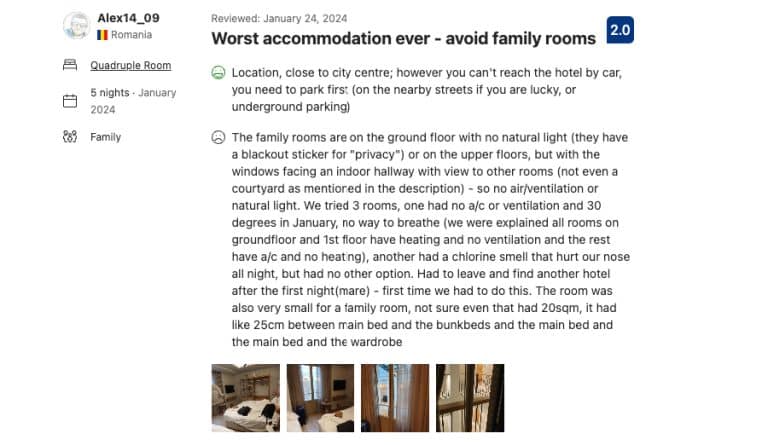
In the world of hospitality, online reviews serve as a vital resource for potential guests, offering insights into the actual experiences of others. However, not all reviews are created equal. Understanding how to discern genuine feedback from insincere reviews is essential for making informed decisions. Recognizing red flags can help travelers sift through the noise and identify what matters most in their search for the perfect stay.When analyzing reviews, certain indicators can signal that a review may not be genuine.
Familiarizing yourself with these signs can enhance your ability to evaluate the authenticity of guest feedback. For instance, overly positive reviews that lack specific details often raise suspicion. Here are some common phrases and words to watch out for, which often suggest exaggerated claims:
Indicators of Insincere Reviews
While reading through hotel reviews, be on the lookout for these phrases that can indicate insincerity or exaggeration:
- “Best experience of my life!” – This phrase tends to be overly dramatic, lacking context.
- “Everything was perfect.” – Perfection is rare; a lack of constructive criticism may suggest a fake review.
- “I can’t believe how amazing this place is!” – Extreme enthusiasm can be a red flag for insincerity.
- “The staff went above and beyond for me.” – While positive, this phrase without detail can be vague.
- “I would recommend it to everyone!” – Broad endorsements may lack depth and credibility.
Another crucial point to consider when evaluating reviews is the context in which experiences are shared. This includes examining the details of the review, such as the time of visit, the purpose of the stay, and any specific interactions that influenced the guest’s experience. Context can provide valuable insight into the authenticity of the feedback.
“Context matters in reviews; it shapes the narrative and highlights genuine experiences.”
Contextual clues often reveal whether a review is based on a one-off experience or if it reflects a trend. Consider the following aspects when assessing context:
- Time of visit: Peak seasons may yield different experiences than off-peak times.
- Type of stay: Business trips may differ significantly from family vacations, impacting expectations.
- Specific details provided: Reviews rich in details often reflect honest experiences, while vague comments may raise doubts.
By honing your ability to recognize these red flags and assess the context of reviews, you can navigate the vast sea of guest feedback more effectively, ensuring a more reliable foundation for your travel choices.
Utilizing Reviews for Better Decision-Making
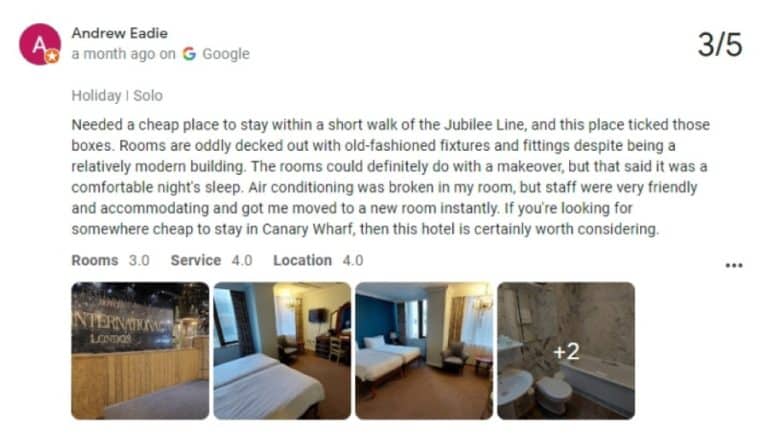
In the world of travel, making informed booking decisions is crucial for ensuring a satisfactory stay. Hotel reviews serve as a window into the experiences of previous guests, providing insights that can significantly influence your choices. By synthesizing information from these reviews, travelers can better align their selections with their personal preferences and requirements.Analyzing guest feedback allows travelers to identify patterns and common themes that can guide their decisions.
A structured approach to evaluating reviews can enhance the booking experience and lead to more satisfying accommodations.
Synthesizing Review Information
To effectively synthesize information from hotel reviews, it’s essential to focus on key aspects that resonate with your travel preferences. Below are some considerations for summarizing the insights gathered from reviews:
Identify Positive and Negative Comments
Look for recurring themes in guest reviews. Positive comments may highlight excellent service, cleanliness, or location, while negative feedback might focus on noise levels, maintenance issues, or unhelpful staff.
Establish Criteria for Decision-Making
Develop a set of criteria based on your priorities as a traveler. This may include budget, amenities, proximity to attractions, or family-friendliness.
Create a Consolidated Summary
After analyzing the reviews, summarize the pros and cons for each hotel. The table below exemplifies how to structure this information for easy comparison:
| Hotel Name | Pros | Cons |
|---|---|---|
| Hotel A |
|
|
| Hotel B |
|
|
This structured approach provides a clear overview of each hotel’s strengths and weaknesses, allowing travelers to make an informed decision.
Prioritizing Review Aspects
To effectively prioritize review aspects that align with personal travel preferences, consider the following framework:
1. Define Your Travel Goals
Understanding whether you seek relaxation, adventure, or cultural experiences will guide which aspects of reviews are most relevant to you.
2. Rank Key Features
Based on your travel goals, rank the features that matter most, such as: – Location – Cleanliness
Amenities (pool, gym, restaurant)
Customer service
Price
3. Analyze Review Scores
Pay attention to the overall ratings and detailed scores in reviews. For example, a hotel rated highly for cleanliness but poorly for customer service may be acceptable for a traveler prioritizing cleanliness.
4. Consider the Source
Weigh reviews from verified guests or reputable platforms more heavily, as they tend to be more reliable and reflective of actual experiences.By utilizing these strategies, travelers can distill vast amounts of information into actionable insights, ensuring their hotel choice aligns with their individual needs and expectations.